How to Collect a Deceased Person's Bank Account in California Without Probate
The content of this article is informational only and does not constitute legal advice. Multi Servicios 360 is not a law firm. If you need advice specific to your situation, consult a licensed attorney in California.
One of the most urgent situations families face after losing a loved one: there is money in the bank, bills keep coming, there may be funeral expenses to pay, and no one knows how to legally access those funds.
The good news is that in California, depending on how the account was structured, there may be ways to access the money without waiting through the full probate process.
Table of Contents
- •First: How was the account structured?
- •Method 1: Account with POD/TOD beneficiary
- •Method 2: Joint account with right of survivorship
- •Method 3: Small Estate Affidavit §13100
- •What happens if none apply: probate
- •What NOT to do when a relative dies
- •Documents you will need
- •Frequently asked questions
First: How Was the Account Structured? {#structure}
The answer to "how do I collect the money?" depends almost entirely on how the account was organized before the death. There are three key questions:
- 1.Did the account have a designated beneficiary (POD/TOD)?
- 2.Was it a joint account with another person?
- 3.What is the total value of the deceased's estate?
Method 1: Account with POD/TOD Beneficiary {#pod-tod}
The fastest. Days, not months.If the deceased designated a POD (Payable on Death) or TOD (Transfer on Death) beneficiary on their bank account, that beneficiary can claim the money directly by going to the bank with:
- •Official ID
- •Original or certified copy of the death certificate
- •Possibly a bank claim form
Method 2: Joint Account with Right of Survivorship {#joint-account}
Also fast. Works automatically.If the bank account was a joint account ("joint account with right of survivorship"), the surviving co-owner automatically becomes the sole owner when the other passes away.
The surviving co-owner simply:
- 1.Notifies the bank of the death by presenting the death certificate
- 2.Asks that the account be updated to their name only
- 3.Continues using the account normally
Important difference: Not every joint account has "right of survivorship." A convenience account (where someone was added only to make deposits) may not transfer automatically. Read the bank documents carefully or consult with the bank.
Method 3: Small Estate Affidavit §13100 {#small-estate}
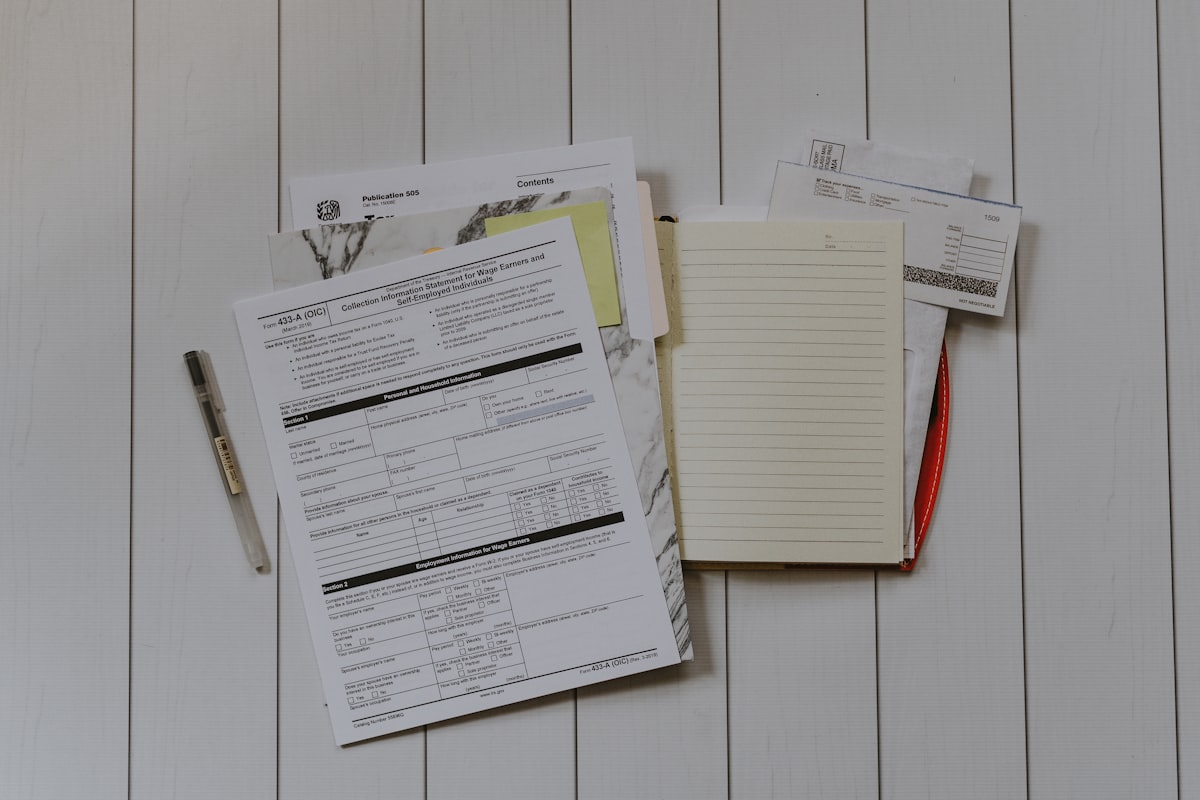
For when there is no designated beneficiary or joint account.If the deceased's total estate (excluding trust assets, assets with beneficiaries, or joint tenancy) is $184,500 or less, heirs can use the Small Estate Affidavit to claim assets without probate.
For the bank, the process is:
- 1.Wait 40 days after the death (legal requirement)
- 2.Prepare the §13100 affidavit signed under penalty of perjury, which includes:
- 1.Present the affidavit to the bank with the death certificate
- 2.The bank has up to 10 business days to release the funds
What Happens If None Apply: Probate {#probate}
If the account has no designated beneficiary, is not a joint account, and the estate exceeds $184,500, the account funds are distributed through the probate process.
Average time: 12 to 18 months. Average cost: 5% to 10% of the gross estate value.What NOT to Do When a Relative Dies {#dont-do}
❌ Do not withdraw money from the deceased's account using their card or password. Using funds from an account without legal authorization after death can constitute bank fraud.
❌ Do not transfer assets before resolving the inheritance. Moving money or property without following the proper legal process can create personal liability.
❌ Do not assume the spouse can automatically access everything. Marriage does not give automatic legal access to the deceased's individual accounts.
❌ Do not wait too long. Some claims have deadlines. The Small Estate Affidavit works best before accounts become "unclaimed property" (generally 3 years).
Documents You Will Need {#documents}
- •Death certificate: Get several certified copies
- •Your ID: Passport, driver's license, or consular card
- •Relationship documentation: If you are not immediate family
- •Account documents: Bank statements, account information
- •For §13100: The properly prepared affidavit
Frequently Asked Questions {#faq}
How many death certificates should I get? Get at least 8-10 certified copies. Each institution (bank, DMV, Social Security, life insurance) will ask for its own original. Can the bank deny me access even if I'm an heir? Yes, without legal authorization (designated beneficiary, joint ownership, or court order). The bank cannot simply "take your word for it." What if the deceased had debts? The deceased's debts are paid before heirs receive the remaining balance. Can I collect the money if I live in Mexico? If you are the designated beneficiary, you can claim the funds even if you live in Mexico, but it may be more complicated in practice.👉 Create my Living Trust — Avoid leaving probate for your family
You may also like:
- •How to transfer assets without probate in California
- •Small Estate Affidavit §13100: Complete guide
- •How to transfer a deceased person's car without probate
- •Intestate succession: who inherits without a will
Multi Servicios 360 is a self-help legal document preparation service. We are not a law firm and do not provide legal advice. This information is educational. For complex inheritance situations, consult a licensed attorney in California.